Verified Commercial Deliverables
Commercial Projects: Architectural HVAC & Retail Engineering
Direct engineering records of flagship retail HVAC engineering, concealed ducting aesthetics, indoor air quality filtration, and multi-year asset maintenance executed by RS Electricals & HVAC Solutions.
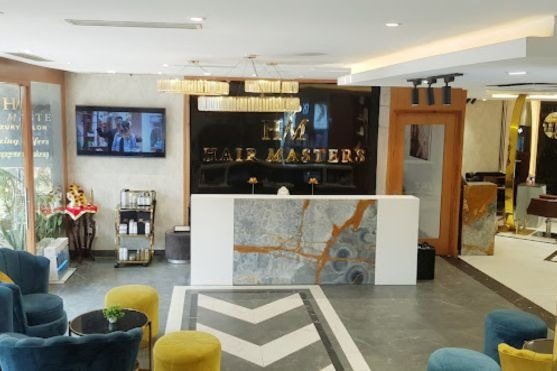
Reception & Ceiling Diffusers
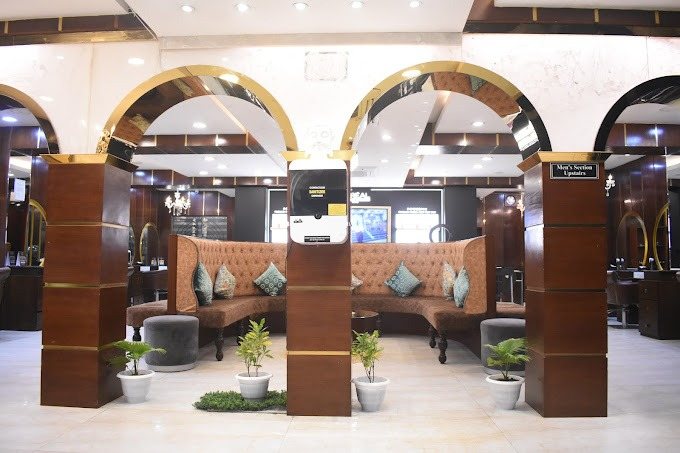
Styling Floor Multi-Zone Air

VIP Lounge Linear Diffusers
Hair Masters Luxury Salon — Complete HVAC Architecture & 5-Year Luxury AMC
Across flagship salon towers in Patiala, Panchkula, and Mohali, the HVAC system was completely designed, engineered, and executed by RS Electricals & HVAC Solutions. We have maintained these premier facilities for the past 5 consecutive years, preserving an ultra-luxurious guest environment, safeguarding high-value HVAC assets, and ensuring high staff productivity without client disruption.
❄️ Exact Engineering Services Delivered by RS Electricals:
✓
Turnkey Architectural HVAC System Engineering: Complete layout design, load calculation, and installation with concealed ducting and fine-finish linear slot diffusers integrated flawlessly into luxury interior finishes.
✓
Specialized Indoor Unit Filtering Strategies: High-efficiency filtration in indoor units (IDUs) with calibrated fresh-air intake to capture hair particles and neutralise harsh chemical fumes (ammonia, dyes, keratin treatments).
✓
Whisper-Quiet Acoustic Engineering: Advanced duct attenuation and vibration dampening maintaining operating sound levels below 38 dBA for maximum relaxation during treatments.
✓
5-Year Non-Stop Asset Maintenance (AMC): Sustained multi-year preventative maintenance covering seasonal coil chemical cleaning, refrigerant charge monitoring, airflow balancing, and zero-downtime emergency coverage during peak holiday footfalls.
✨ Lakmé Salon (Punjab Outlets)
Multi-zone VRV air conditioning, architectural salon electrification, secondary distribution boards, and aesthetic LED lighting.
✂️ Toni&Guy (Tri-City & Punjab)
Low-noise VRF climate control, specialized chemical fume fresh-air ventilation, and low-current audio/video infrastructure.
🏢 Golden Immigration Corporate HQ (Mohali)
High-density corporate power infrastructure, server room ELV cabling & automated building management (BMS).